
Products details
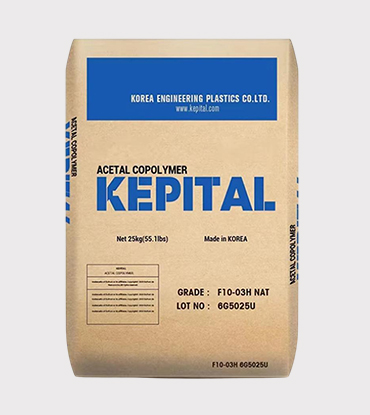
Acetyl Copolymer (POM)
Also known as Polyoxymethylene or Acetal, POM is a high-performance engineering thermoplastic known for its strength, rigidity, and excellent dimensional stability. It offers low friction and high wear resistance, making it suitable for precision mechanical parts such as gears, bearings, fasteners, lock systems, and automotive fuel system components. It maintains its integrity in environments involving moisture, solvents, and varying temperatures. Due to its smooth surface and stiffness, POM is widely used in consumer electronics, medical instruments, and industrial machinery.
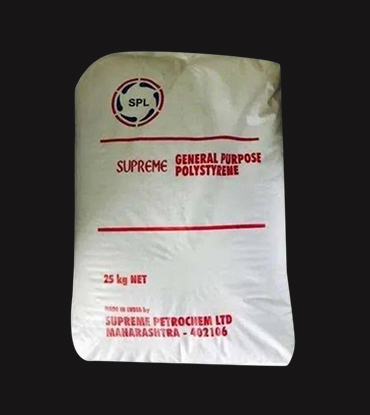
Polystyrene (PS)
Polystyrene is a rigid, transparent thermoplastic that is easy to process and mold, making it ideal for disposable consumer products. It exists in solid and foam forms (e.g., expanded polystyrene - EPS). The solid form is used in CD cases, cutlery, and lab ware, while the foam version is used for insulation, packaging, and lightweight construction materials. While it is economical and lightweight, PS is brittle and susceptible to environmental stress cracking. Despite this, it remains a popular choice due to its versatility and affordability.
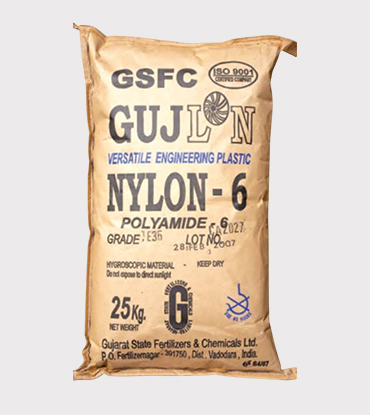
Nylon
Nylon is a synthetic polymer known for its toughness, wear resistance, and flexibility. It was one of the first commercially successful synthetic fibers and is still widely used today in textiles, automotive components, machine parts, and sports equipment. It offers excellent mechanical properties, resistance to abrasion and impact, and can withstand high temperatures. Nylon’s applications span from clothing and carpeting to injection-molded mechanical parts such as pulleys, bushings, and gears. It also has excellent chemical resistance, especially to oils and fuels.
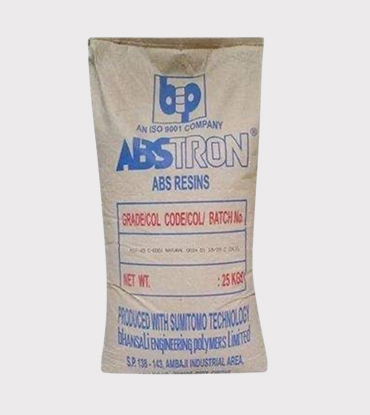
Acrylonitrile Butadiene Styrene (ABS)
ABS is a highly durable and impact-resistant plastic that combines the strength of acrylonitrile and styrene polymers with the toughness of polybutadiene rubber. It is easily machined and thermoformed, making it a top choice for automotive interiors, consumer electronics housings, helmets, and LEGO bricks. It also offers a good balance of heat resistance, strength, and aesthetic finish. ABS is used widely for parts that require toughness and dimensional stability while allowing for complex shapes and high-quality surface finishes.
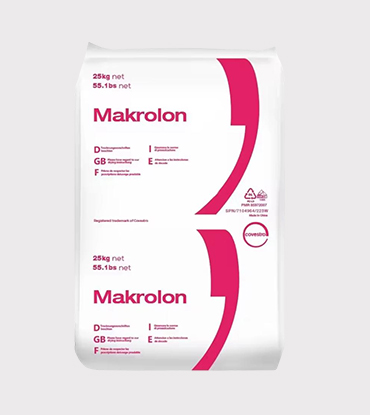
Polycarbonate (PC)
Polycarbonate is a transparent, high-performance plastic known for its remarkable impact resistance and optical clarity. It is often used as a lightweight and shatter-resistant alternative to glass. PC can withstand high temperatures, is inherently flame retardant, and offers excellent electrical insulation. Applications include safety glasses, lenses, automotive headlamps, protective gear, and enclosures for electronics. Its ability to transmit light while resisting impact makes it highly valuable in industries like aerospace, construction, and electronics.
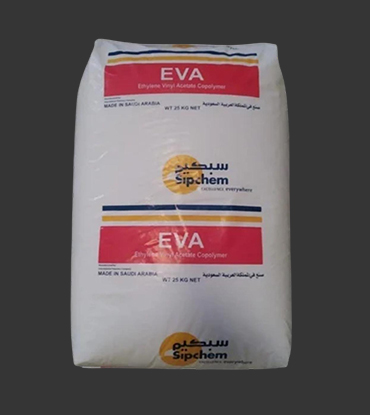
Ethylene Vinyl Acetate Copolymer (EVA)
EVA is a flexible, rubber-like plastic that combines the properties of polyethylene and vinyl acetate. It is soft, transparent, and resilient, offering excellent resistance to stress cracking, UV radiation, and low temperatures. EVA is used in footwear (particularly in soles and slippers), sports equipment, toys, packaging films, and even solar panel encapsulation. Due to its cushioning and shock absorption properties, EVA is also widely used in medical and orthopedic applications such as braces and padding.
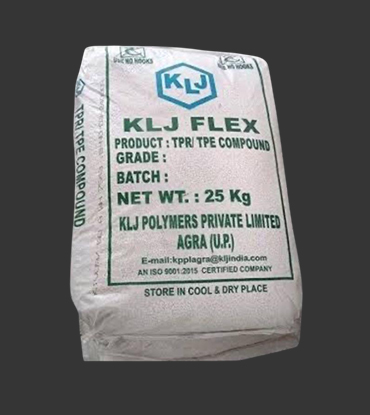
Thermoplastic Elastomer (TPE)
TPEs are a group of copolymers or physical blends of polymers that combine the processing advantages of plastics with the functional performance and flexibility of rubber. They are recyclable, soft to the touch, and suitable for over-molding applications. TPEs are used in a wide array of applications including medical devices, automotive interiors, power tools, gaskets, grips, and flexible tubing. They provide excellent weather resistance, elongation, and fatigue resistance, and are commonly used where traditional rubber is difficult or costly to process.
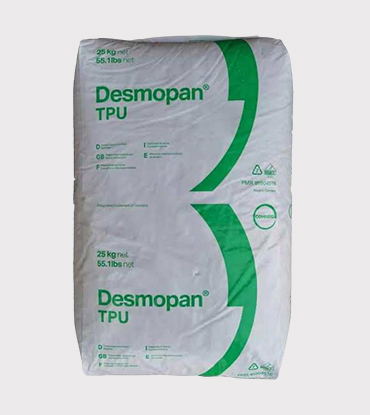
Thermoplastic Polyurethane (TPU)
TPU is a highly versatile elastomer known for its excellent abrasion resistance, elasticity, and ability to withstand oil, grease, and weather conditions. It is available in a wide range of hardness levels and can be processed using injection molding, extrusion, or blow molding. TPU is widely used in applications that demand flexibility and durability such as industrial hoses, cable jackets, sporting goods, shoe soles, and protective smartphone cases. It also offers excellent transparency and tear resistance, making it suitable for film and sheet applications.
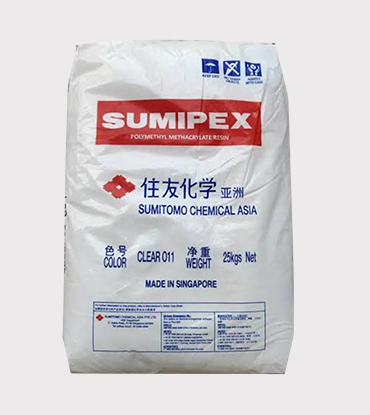
Polymethyl Methacrylate (PMMA)
PMMA, commonly known as acrylic or plexiglass, is a lightweight, shatter-resistant, and UV-resistant alternative to glass. It has excellent optical clarity and is widely used in applications requiring transparency and aesthetic appeal. These include signage, displays, skylights, aquariums, and vehicle light covers. PMMA is also highly weatherable, making it suitable for outdoor use. Its rigidity, ease of fabrication, and ability to be colored or tinted make it a popular choice in both commercial and architectural applications.
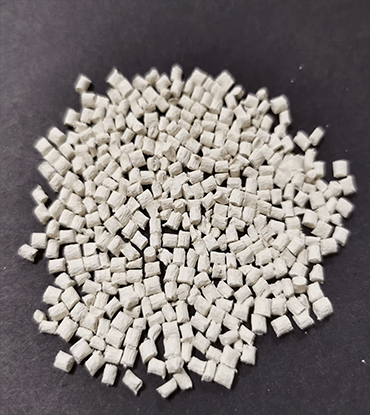
Polyphenylene Oxide (PPO)
PPO is an engineering thermoplastic known for its outstanding dimensional stability, low moisture absorption, and excellent electrical insulation properties. It offers high heat resistance and maintains its mechanical strength over a broad temperature range. PPO is often used in combination with other polymers like polystyrene to form blends such as Noryl. Common applications include electrical housings, pump components, automotive parts, and water-handling devices. Its balance of mechanical and thermal properties makes it valuable in high-performance applications.
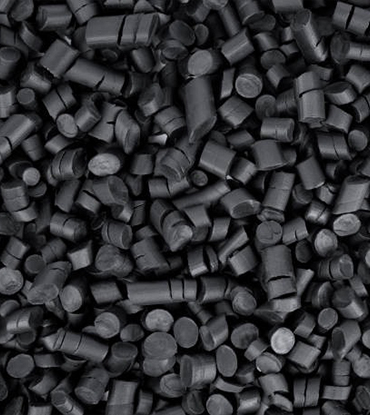
Polyphenylene Sulphide (PPS)
PPS is a high-performance engineering thermoplastic that exhibits exceptional thermal and chemical resistance. It can withstand continuous use temperatures up to 240°C and resists degradation by solvents, acids, and bases. PPS also offers dimensional stability, flame retardancy, and high strength, making it ideal for demanding environments. It is commonly used in automotive parts (like under-the-hood components), electrical/electronic applications, appliances, and filtration systems. PPS is often reinforced with glass fibers to enhance its mechanical properties.
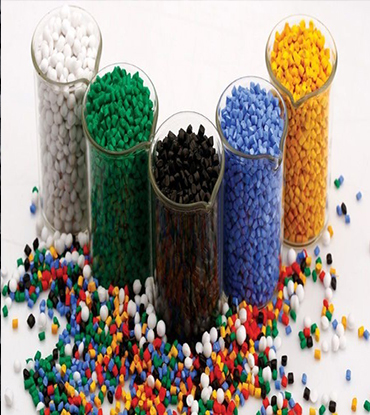
PVC Compounds
PVC, or Polyvinyl Chloride, is a durable, versatile thermoplastic used in both rigid and flexible forms. PVC compounds are tailored formulations of PVC resin mixed with plasticizers, stabilizers, and other additives to enhance specific performance requirements. Rigid PVC is used in pipes, profiles, and building materials, while flexible PVC is used in cable insulation, hoses, and synthetic leather. It offers excellent fire resistance, chemical stability, and weatherability. PVC compounds are economical and widely used in construction, healthcare, automotive, and consumer products.
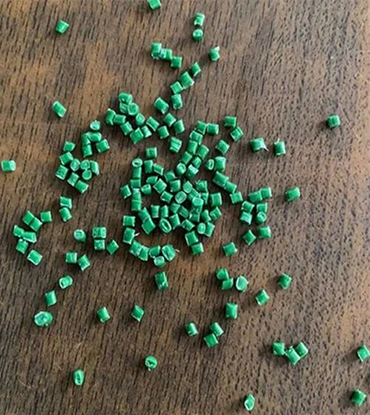
Reprocessed Polymers
Reprocessed polymers are materials recovered from post-industrial or post-consumer plastic waste, which are cleaned, re-melted, and extruded into usable forms. These materials help reduce the environmental impact of plastic production by minimizing landfill waste and conserving natural resources. Although reprocessed polymers may have lower mechanical strength compared to virgin materials, they are suitable for a wide range of non-critical applications such as packaging, containers, garden tools, and furniture. They play a crucial role in promoting sustainable manufacturing practices.

Masterbatches
Masterbatches are concentrated mixtures of additives or pigments encapsulated in a carrier resin, which is then mixed with base polymers during processing. They allow for uniform dispersion of colorants or functional additives like UV stabilizers, flame retardants, anti-static agents, and lubricants. Masterbatches are used to enhance the appearance and performance of plastic products without altering their basic properties. They simplify the manufacturing process, improve consistency, and are widely used in packaging, construction, agriculture, and consumer goods industries.
